Un émulateur NES écrit en Dart et Flutter. Supporte macOS, Windows, Android et Linux (testé sur Steam Deck).

0 commentaire



Un émulateur NES écrit en Dart et Flutter. Supporte macOS, Windows, Android et Linux (testé sur Steam Deck).
Il s’agit d’une implémentation de D3D9/10/11 basée sur Vulkan qui permet d’exécuter des applications 3D sur Linux en utilisant Wine, toutefois il fonctionne également sous Windows mais ne lui est pas spécifiquement destiné donc des bugs peuvent apparaitre sur ce système (officiellement non pris en charge).

Ruzu est un émulateur Nintendo Switch écrit en Rust, développé comme une expérience visant à déterminer si l’IA, via des modèles de langage (LLM), pouvait réaliser le portage complet d’un projet logiciel de très grande taille de C++ vers Rust.
Le projet est basé sur le code de yuzu/Eden et représente environ 500 000 lignes de code portées exclusivement avec l’aide de LLM, sur une période d’environ six mois. L’objectif n’était pas simplement d’obtenir un programme fonctionnel, mais de conserver au maximum la structure du projet original, avec une correspondance entre les fichiers et les différentes parties du code C++ et Rust.
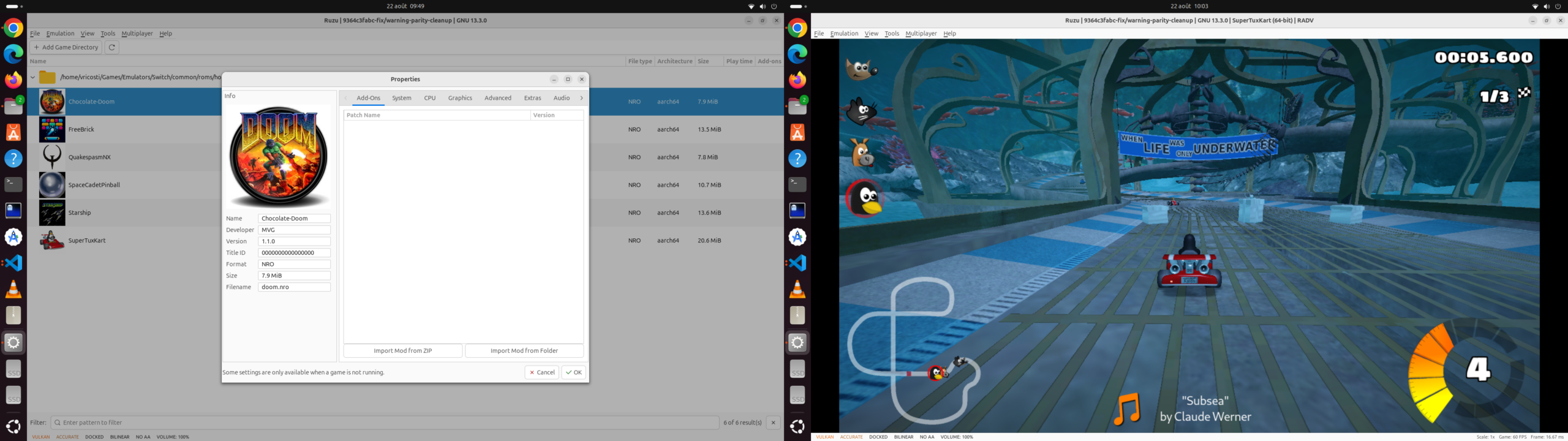
Ruzu intègre notamment un kernel HLE avec ordonnanceur, fibres, IPC et services, un processeur de commandes GPU, un recompilateur de shaders et un JIT. La recompilation dynamique du code ARM est assurée par rdynarmic, un portage Rust de Dynarmic, avec des backends natifs x86-64 et ARM64. Le projet comprend également rxbyak, un portage Rust de Xbyak pour la génération de code machine x86-64.
L’émulateur est déjà capable de démarrer et d’exécuter des jeux commerciaux, avec l’objectif affiché d’atteindre les performances de l’implémentation C++ originale. Le projet reste toutefois en développement.
Ruzu dispose également d’un frontend graphique ainsi que d’un frontend en ligne de commande, et peut être compilé sous Windows, Linux, macOS et plusieurs systèmes BSD.
Les changements sont:
– Controller navigation: navigate menus, buttons, the game library, and Ruzu’s file dialogs with a controller, including the startup prompt.
-System services: implemented missing application-management, filesystem, audio, and SSL commands to improve compatibility.
-Local wireless services: implemented missing LDN commands, network callbacks, and state change notifications. Fixed scan locking so discovery can receive responses while waiting. Real multiplayer sessions still require validation.
– Linux AppImage: added ./build.sh appimage to build and package Ruzu.
– Steam Deck packaging: added a dedicated Docker-based build with Zen 2 optimization, bundled runtime libraries, and X11/XWayland forced like Eden’s AppImage. Desktop and Gaming mode compatibility still requires hardware validation.
Nemulator est un émulateur multi-systèmes pour Windows, développé par jslepicka. Il permet de simuler plusieurs consoles rétro avec une interface DirectX.
Systèmes pris en charge:
– Nintendo NES
– Sega Master System
– Sega Game Gear
– Sega Genesis
– Nintendo Game Boy / Game Boy Color
– Pac-Man / Ms. Pac-Man (Arcade)
– Space Invaders (Arcade)

Le projet KytyPS5 est un émulateur PlayStation 5 pour Windows, développé par Nmzik, qui s’appuie sur une version profondément modifiée du Kyty original créé par InoriRus. Il vise à offrir une compatibilité PS5 nettement supérieure à celle du projet initial, en se concentrant sur le démarrage des jeux, la stabilité et la prise en charge progressive des titres commerciaux. L’émulateur est conçu pour fonctionner sans modules LLE externes, ce qui simplifie son utilisation et réduit les dépendances techniques. Le développeur indique que le projet est encore en phase expérimentale, mais déjà capable de lancer certains jeux 2D et plusieurs jeux 3D, avec un objectif clair: améliorer la compatibilité avant de se concentrer sur les performances ou la précision graphique.
KytyPS5 fonctionne exclusivement sous Windows et semble optimisé en priorité pour les cartes graphiques NVIDIA, même si d’autres GPU peuvent fonctionner avec des résultats variables. Le projet adopte une approche pragmatique: il cherche d’abord à faire démarrer les jeux, quitte à sacrifier la fidélité visuelle ou la vitesse d’exécution dans les premières versions. Le code est activement développé, avec des mises à jour fréquentes, ce qui en fait l’un des projets PS5 les plus dynamiques actuellement disponibles. Le développeur met en avant une volonté de transparence, en remerciant explicitement InoriRus pour le projet original, tout en assumant une réécriture et une refonte majeure du code.
En résumé, KytyPS5 est une continuation non officielle mais assumée du premier Kyty, transformée en un émulateur PS5 moderne, plus ambitieux et plus fonctionnel, qui cherche à devenir une référence dans l’émulation de la console de Sony.
Les changements:
– Protect Windows guest red zones when emulating VRSQRTPS
– Emulate VRSQRTPS instruction
– Support triangle fans in PS5 geometry shaders
– Fix Json2 integer reads
– Make AMD CPU patch optional
– Simplify fiber ownership and preserve small guest stacks
(Temporary build compiled from this fork pending official releases.)
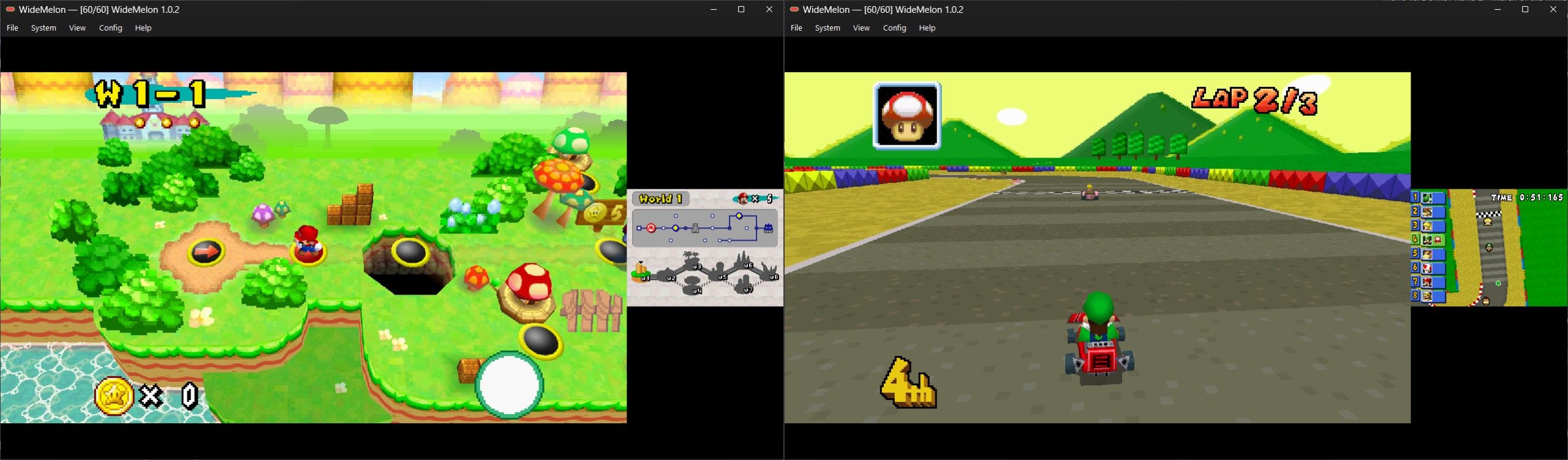
WideMelon est un émulateur Nintendo DS basé sur melonDS qui affiche les jeux 3D en vrai panoramique (du 4:3 au 32:9) sans jamais étirer les interfaces 2D, les menus, les sprites, les vidéos ni l’écran tactile. Gratuit et open-source (GPL-3.0) sur Windows, macOS et Linux, il gère une échelle de rendu de 1× à 8× (plein écran, integer scaling), intègre un écran d’accueil avec jeux récents, save states et drag & drop, s’exécute avec une configuration et des sauvegardes séparées de melonDS, et offre la possibilité de déporter l’écran inférieur et ses commandes personnalisables sur un smartphone.
Il s’agit d’un réseau de recherche et de communication en ligne (RPCN), c’est à dire un serveur de matchmaking destiné à être utilisé avec RPCS3.
Le Netplay dans RPCS3 est donc introduit par GalCiv, qui a développé RPCN, un serveur open-source qui émule le match-making P2P réalisé sur la PlayStation 3. RPCN peut également être utilisé pour communiquer avec des serveurs privés pour les jeux qui nécessitent un serveur dédié pour les fonctions multijoueurs. À cet égard, les jeux qui nécessitent un serveur personnalisé ne fonctionneront pas, à moins qu’un serveur privé créé par des fans ne soit mis en place. Cela sort du cadre de l’émulateur et devra être développé par la communauté.
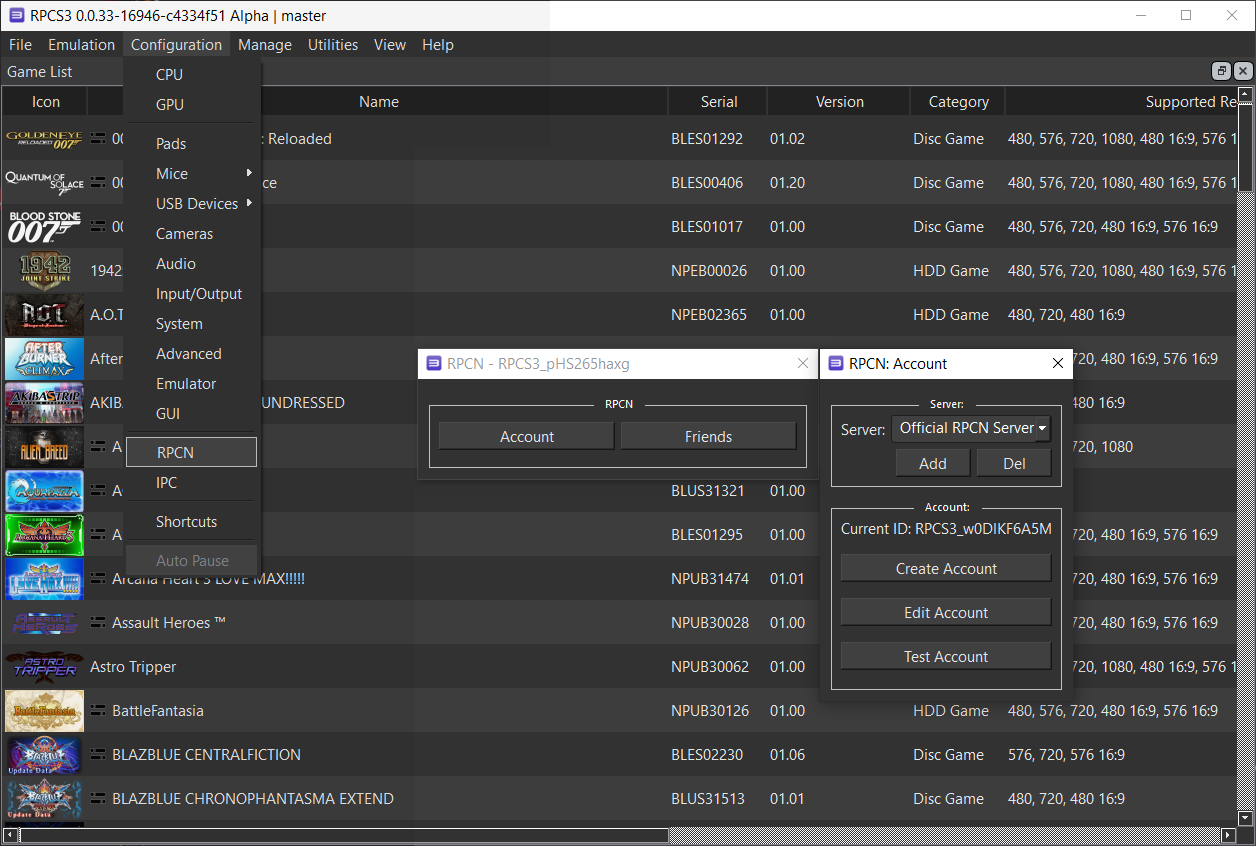
Les changements dans cette version sont:
Added
– Added GetTss command
Fixed
– FlexBy: Fixed scoreboard ordering for Sonic 4 Ep1&2 and Sonic CD
– rjuniorfl-afk: Fixed is_slot_private
Misc
– Clippy cleanup
– Updated dependencies
Liste de compatibilité ici.
Plus d’infos ici.
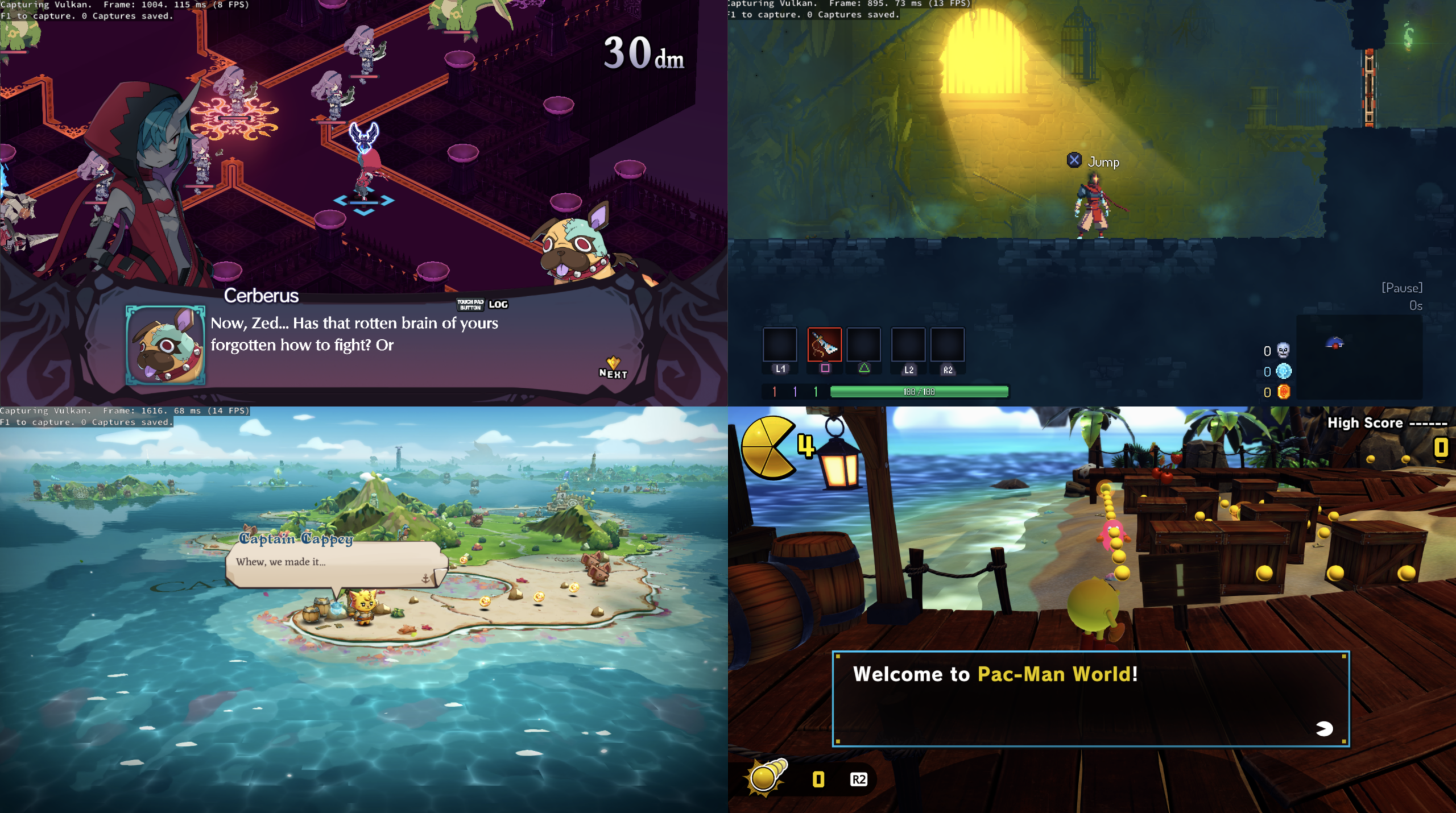
PS5PCEM est un émulateur PlayStation 5 expérimental et un projet de recherche sur l’interopérabilité, développé en Zig. Il permet notamment l’exécution native de code x86-64, le chargement d’exécutables PS5 déchiffrés, l’exécution de commandes graphiques AGC, la traduction de shaders RDNA2 vers SPIR-V et le rendu via Vulkan.
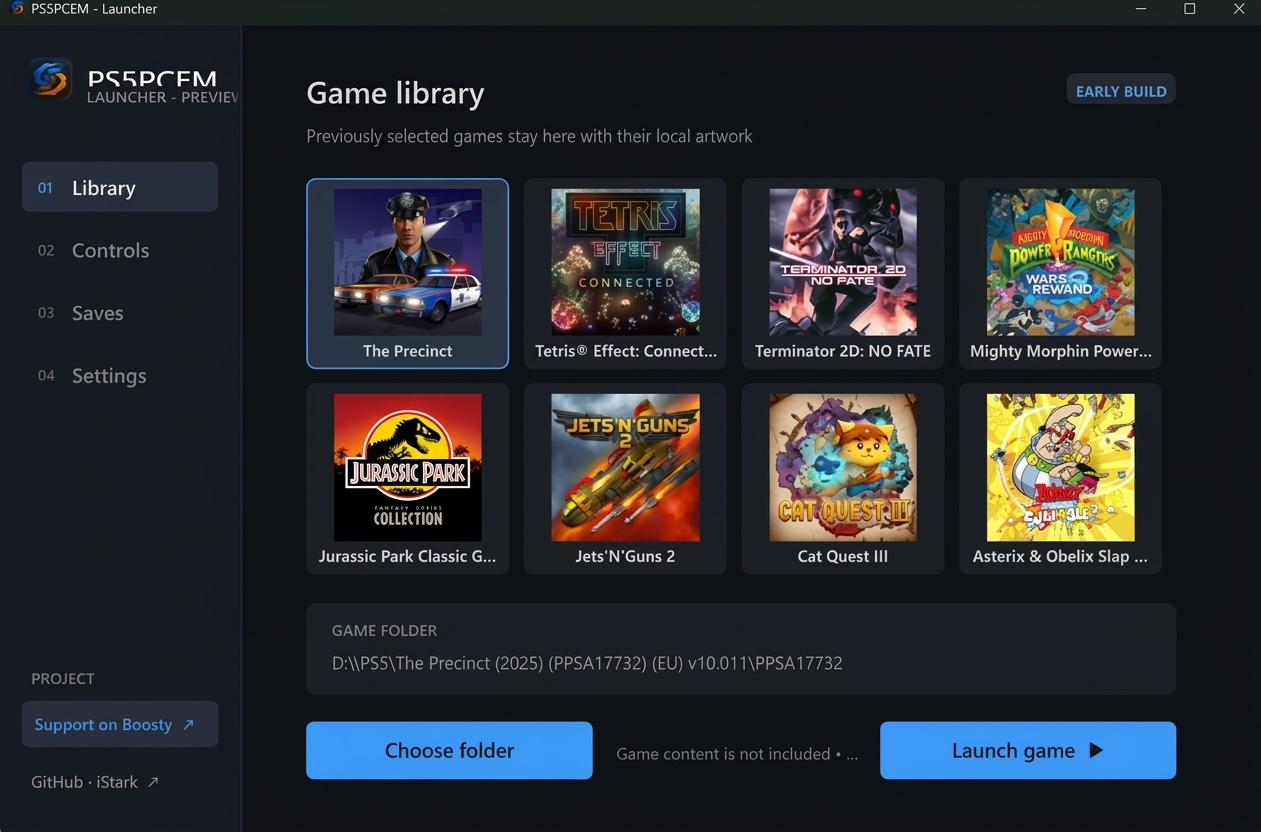
Fonctionnalités
– Exécution native du code x86-64 invité sous Windows.
– Chargement des exécutables ELF/SELF, relocation, liaison des modules et gestion du TLS.
– HLE de plusieurs fonctions du firmware PS5.
– Exécution des flux de commandes AGC pour le GPU.
– Traduction progressive des shaders RDNA2 vers SPIR-V.
– Rendu Vulkan avec gestion des render targets, du depth/stencil et du MSAA.
– Gestion de la mémoire GPU et des textures avec notamment le detiling.
– Prise en charge du VideoOut Vulkan.
– Audio hôte et lecture H.264/AAC via FFmpeg.
– Support des contrôleurs DualSense et DualShock via HID.
– Support XInput et clavier.
– Gestion des sauvegardes par titre.
– Lanceur Windows natif avec jaquettes locales, profils de contrôleurs et lancement direct des jeux.
– Jusqu’à huit titres récents peuvent être conservés dans le lanceur.
– Plusieurs jeux atteignent désormais le gameplay et certains sont déjà jouables, mais la compatibilité, les performances, les graphismes, l’audio et la stabilité restent variables selon les titres et le matériel.
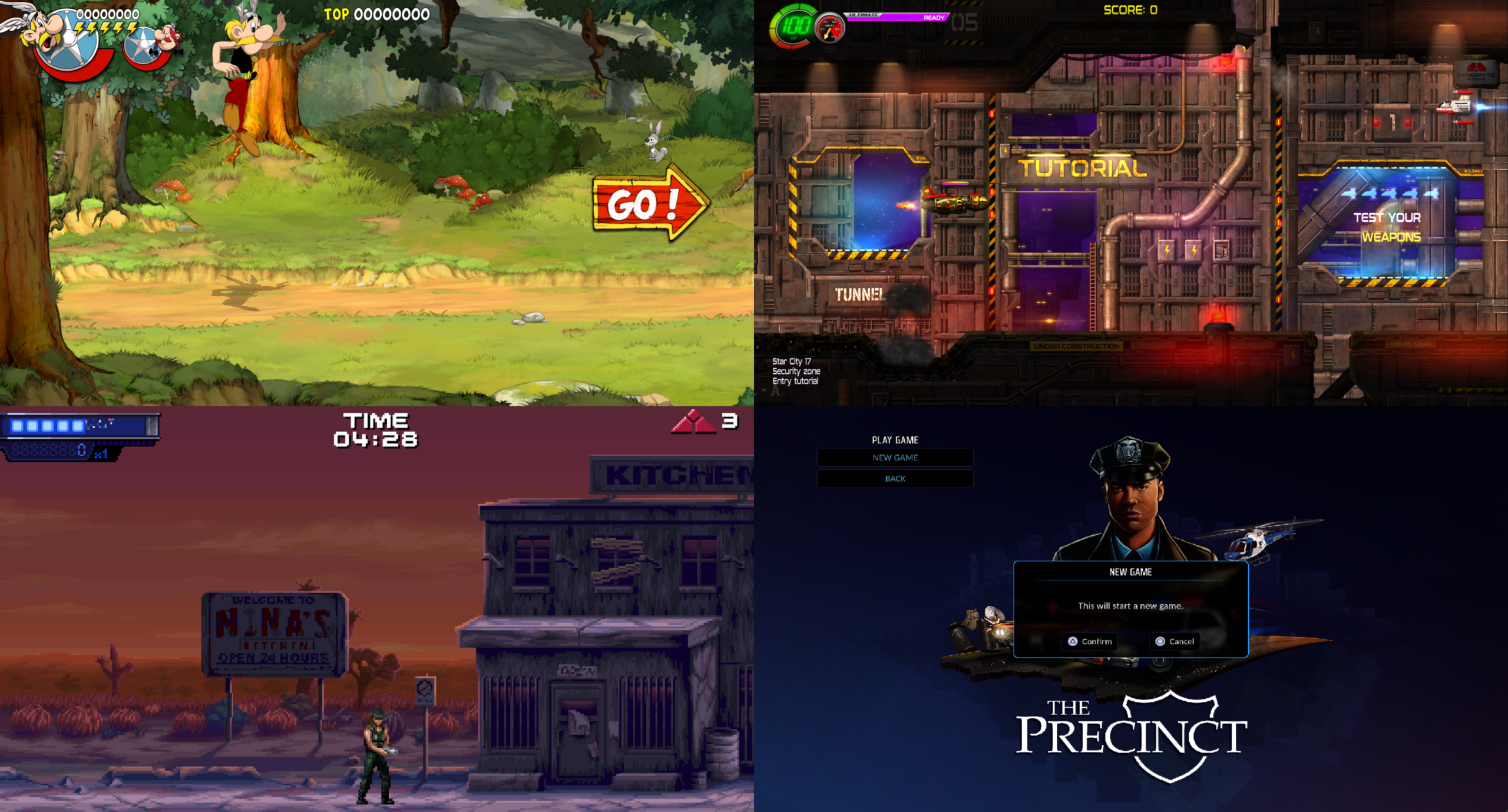
Jeux ayant atteint différents niveaux de fonctionnement
– Terminator 2D: No Fate
– Jets ‘n’ Guns 2
– Asterix & Obelix: Slap Them All!
– The Precinct
– Cat Quest III
– Jurassic Park Classic Games Collection
Les captures et résultats présentés par le projet sont des résultats de développement et ne constituent pas nécessairement des indications de compatibilité générale.
Configuration
– Windows 10 version 2004 ou ultérieure.
– Processeur x86-64.
– GPU compatible Vulkan 1.2.
Développement
PS5PCEM est développé en Zig et est distribué sous licence GNU GPL v3 ou ultérieure.
Le projet ne fournit ni jeux, ni firmware PS5, ni clés, ni bibliothèques système de la console.
État du projet
PS5PCEM est toujours en développement actif. L’émulation PS5 reste incomplète et la compatibilité varie fortement selon les jeux. Le projet dispose néanmoins déjà d’une implémentation fonctionnelle de plusieurs éléments importants de l’architecture PS5, notamment l’exécution x86-64, le système graphique RDNA2/AGC, la traduction des shaders et le rendu Vulkan.
Les changements:
– Fixed launch crash on CPUs without AVX-512 by pinning builds to x86-64-v3
– Ghost of Yōtei now renders a full 3D scene and UI at 0.6 FPS
– Dreaming Sarah is now fully playable and completable at 60 FPS
– Launcher now checks Vulkan support and provides clear localized diagnostics
– Added Speed/Graphics rendering presets and a 1080p resolution preference
– Reduced guest batch-mapping delays per frame from 1000 ms down to 6-11 ms
– Applied over 77 performance and shader rendering fixes, including mip pyramids
– Reverted a memory mapping optimization that caused stalls in Cat Quest III
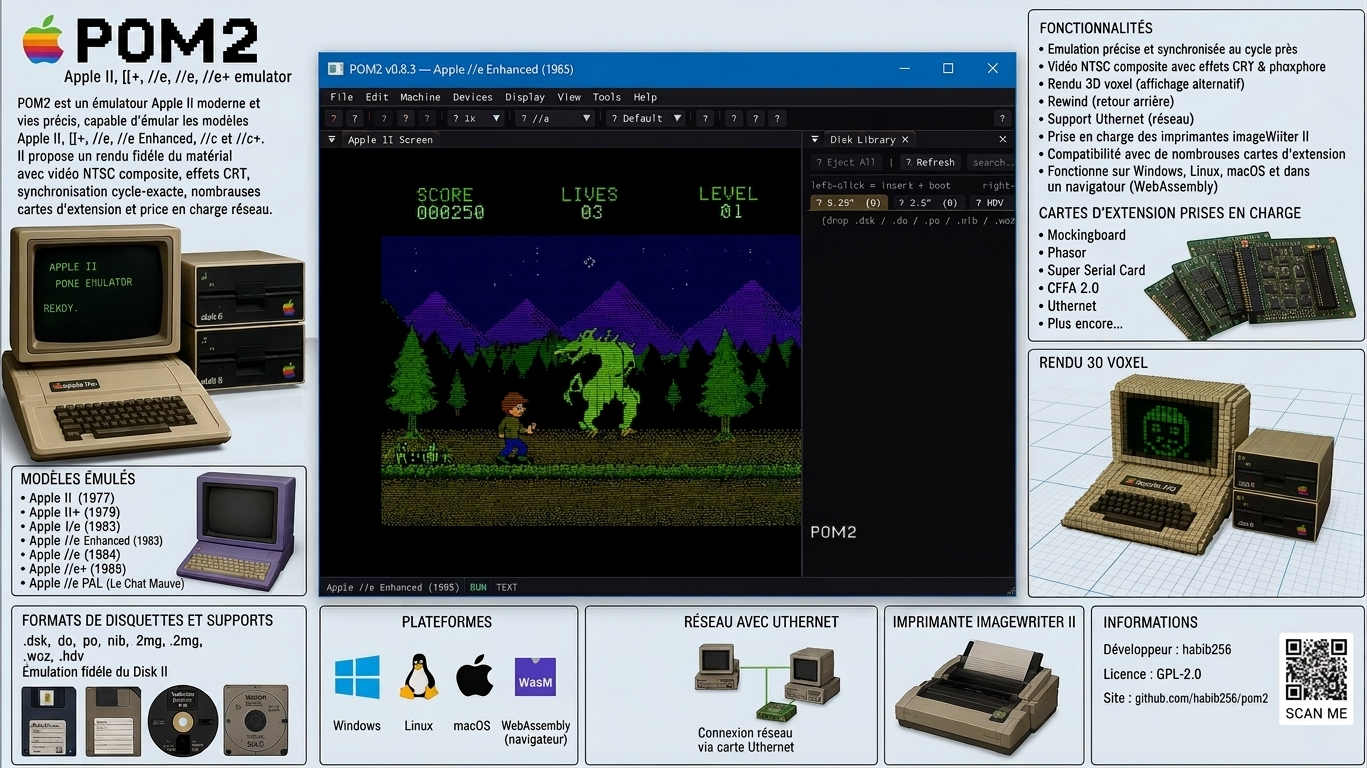
POM2 est un émulateur Apple II moderne et open source, capable d’émuler plusieurs machines de la famille Apple II, de l’Apple ][ original de 1977 jusqu’à l’Apple //c+ de 1988. Il vise une émulation très précise du matériel, avec un rendu vidéo synchronisé au niveau du cycle CPU.
Il prend notamment en charge l’Apple ][, ][+, //e, //e Enhanced, //c et //c+, ainsi que deux variantes PAL, dont le //c « Le Chat Mauve ».
Parmi ses particularités, POM2 propose un rendu NTSC composite, des effets CRT/phosphore, une vue 3D en voxels, le rewind, l’émulation de nombreuses cartes d’extension comme les Mockingboard, Phasor, Super Serial Card, CFFA 2.0 et Uthernet, ainsi que la prise en charge des imprimantes ImageWriter II.
L’émulateur gère de nombreux formats de disquettes et supports Apple II (.dsk, .do, .po, .nib, .2mg, .2img, .woz, .hdv) et intègre une émulation fidèle du Disk II. Il dispose également d’un support réseau via Uthernet et peut même fonctionner directement dans un navigateur grâce à WebAssembly.
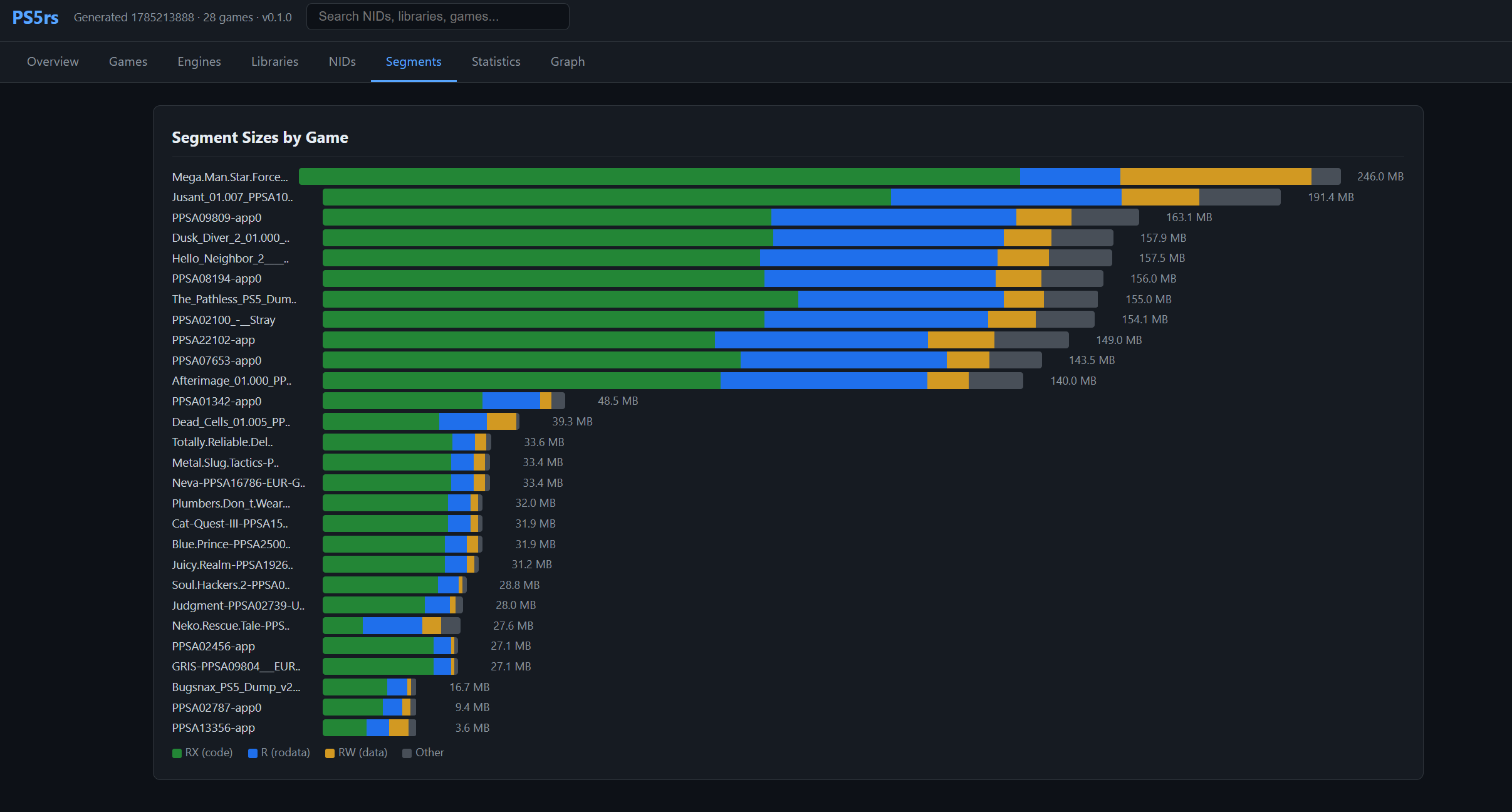
PS5rs est un framework d’analyse de binaires, de chargement virtuel et d’émulation PlayStation 5 écrit en Rust. Il prend notamment en charge l’analyse des formats SELF, ELF et PRX, la résolution des imports NID et le chargement virtuel des exécutables PS5. Il intègre également un émulateur côté hôte capable d’exécuter les binaires PS5 sur le processeur x86-64 du PC et de gérer les appels aux bibliothèques système via des modules HLE en Rust. Le projet fournit également différents outils d’analyse et de génération de rapports.
OpenROM est une suite logicielle universelle, gratuite et open-source dédiée à la conversion de ROMs rétro. Conçue pour remplacer les outils propriétaires et fragmentés, elle fonctionne entièrement en local (100 % hors ligne) sans aucune collecte de données.

Interface et Ergonomie
– Esthétique Gaming : Propose une interface sombre moderne développée sous Flutter, inspirée des menus PS5 et Xbox, intégrant un tableau de bord, des cartes pour chaque ROM et des badges de plateforme.
– Personnalisable : Propose plusieurs thèmes intégrés (Cyberpunk, Terminal, Minimal, Gaming) et la possibilité d’en créer via des fichiers JSON.
– Prise en main fluide : Prise en charge native du glisser-déposer pour les fichiers et dossiers isolés ou groupés (traitement par lot).
Performances et Fonctionnalités Techniques
– Matrice de conversion complète : Prend en charge plus de 20 parcours de conversion parmi les formats majeurs (ISO, BIN, CUE, GDI, IMG, ECM, CHD, CSO, ZSO, XISO, RVZ, WIA, WBFS, GCZ).
– Détection intelligente : Identifie avec précision les consoles (PS1, PS2, PSP, Xbox, GameCube, Wii, Dreamcast) grâce aux signatures numériques (magic bytes) et analyse les en-têtes CHD (v4/v5) pour différencier CD et DVD.
– Génération et Vérification : Crée automatiquement les fichiers CUE manquants pour les fichiers BIN et vérifie l’intégrité des fichiers CHD générés via chdman.
Fonctionnalités Avancées
– Terminal et Automatisation : Intègre un journal de bord en temps réel pendant la conversion et propose un outil en ligne de commande complet (openrom-core) pour l’automatisation et les scripts.
Les changements sont:
Fixed — Permission denied on Linux/macOS (all users affected)
Fixed — Codec error on PS2/GameCube/Wii/Xbox CHD (Normal compression)
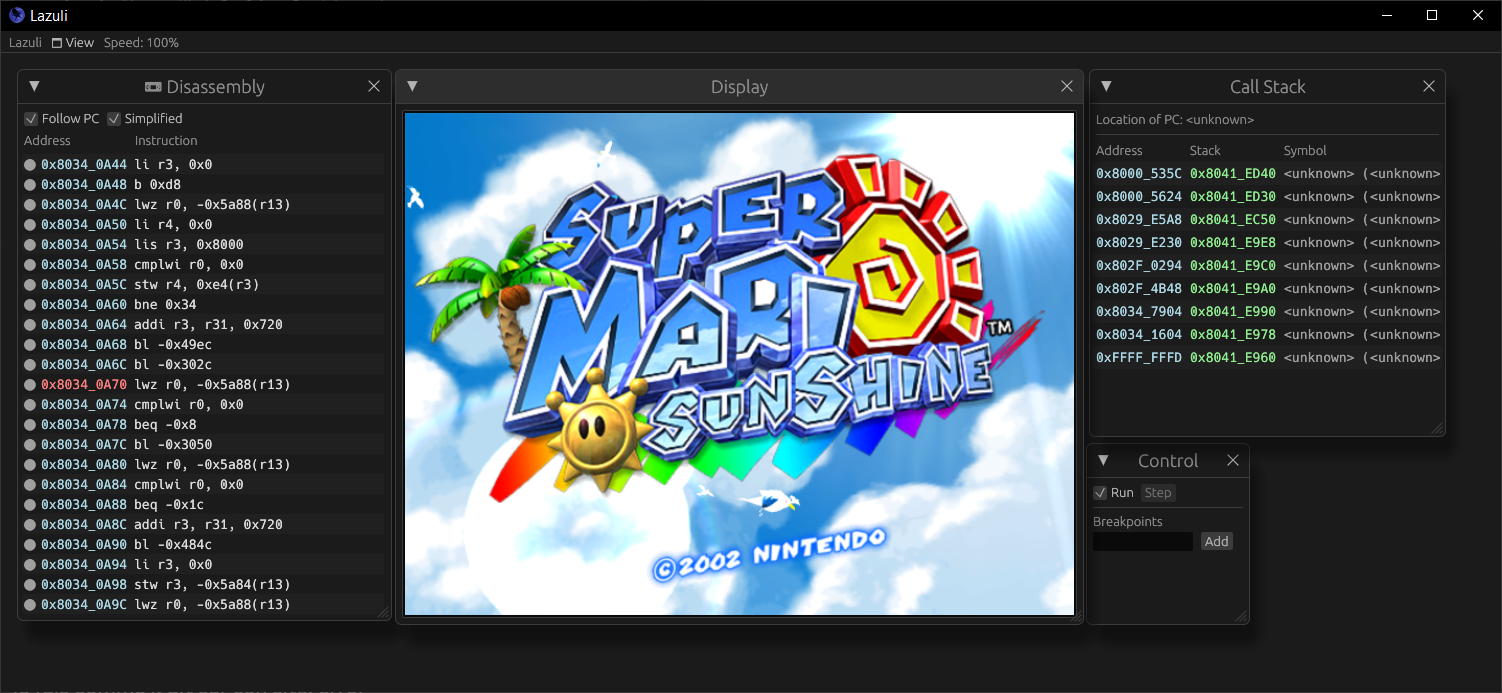
Lazuli est un émulateur GameCube expérimental écrit en Rust, doté d’un JIT PowerPC basé sur Cranelift, d’un rendu wgpu, d’un DSP LLE, d’un IPL HLE intégré, d’une interface de debug complète, capable de lancer plusieurs jeux commerciaux mais encore en phase préliminaire, nécessitant Rust nightly et Just pour la compilation.