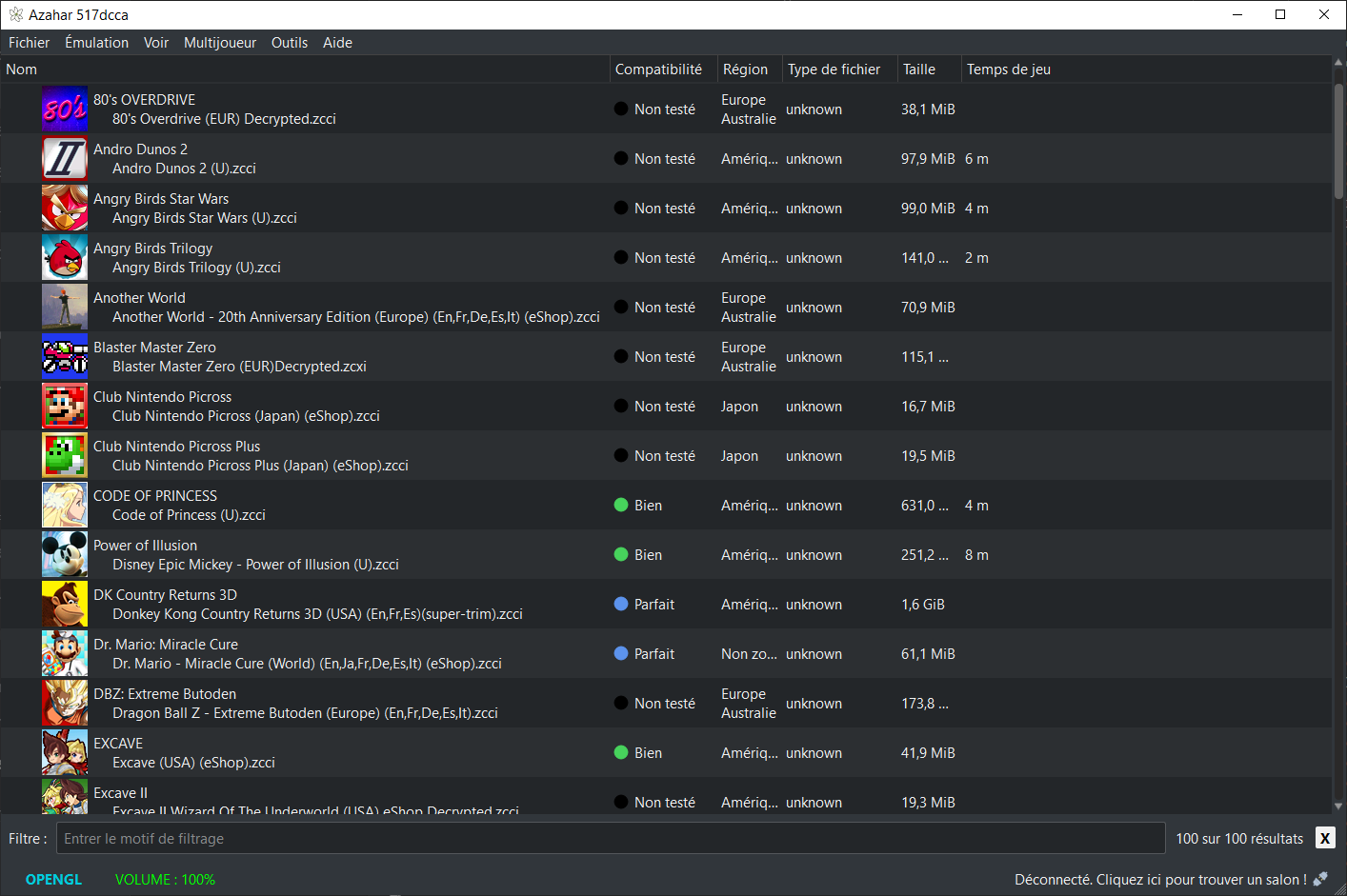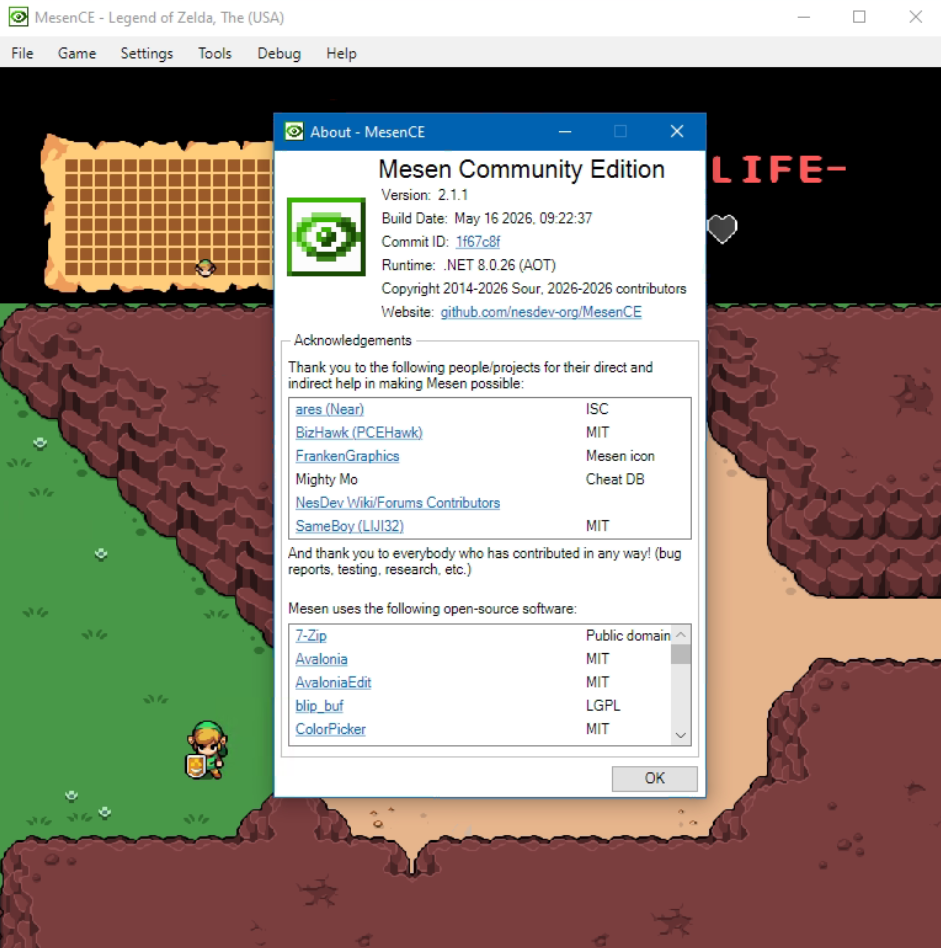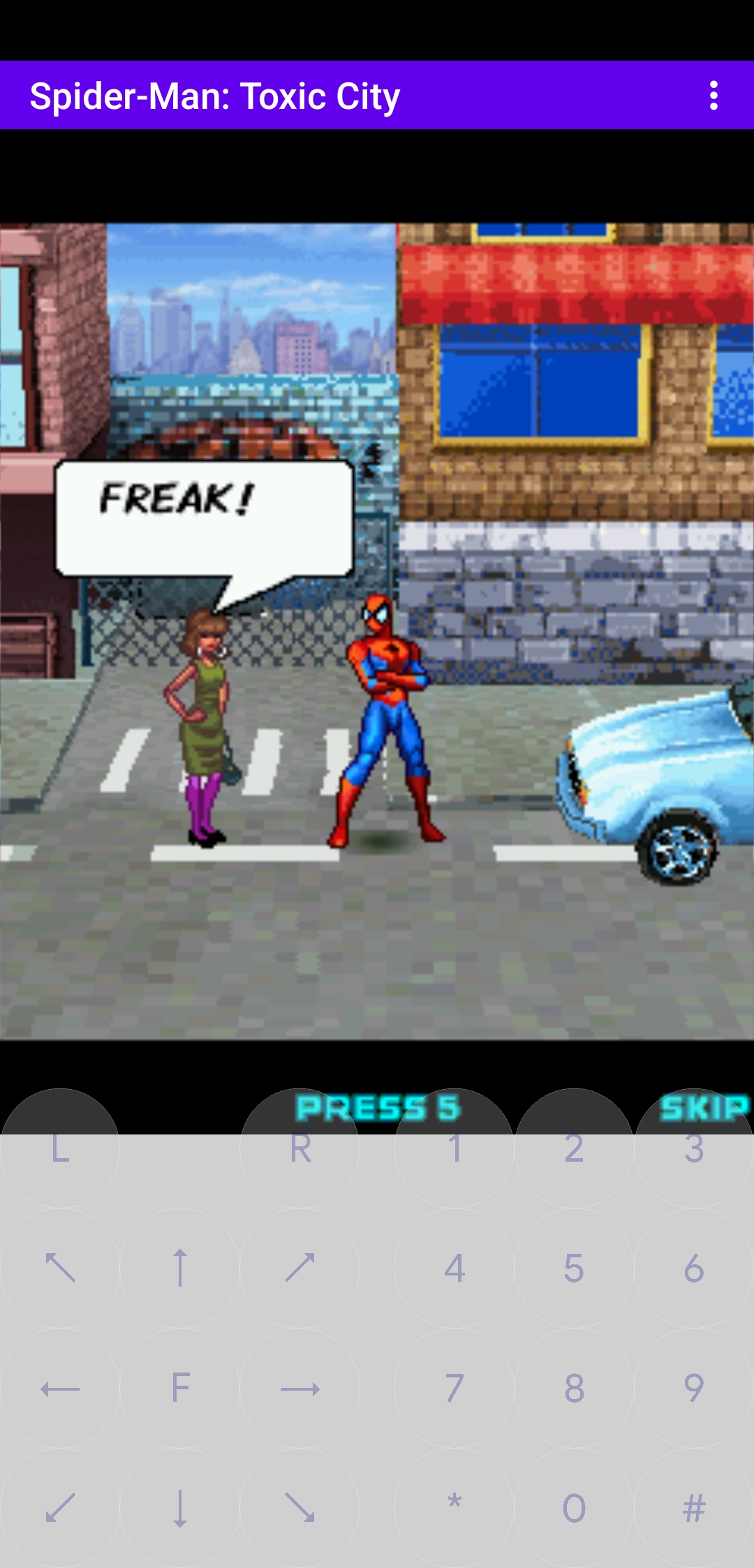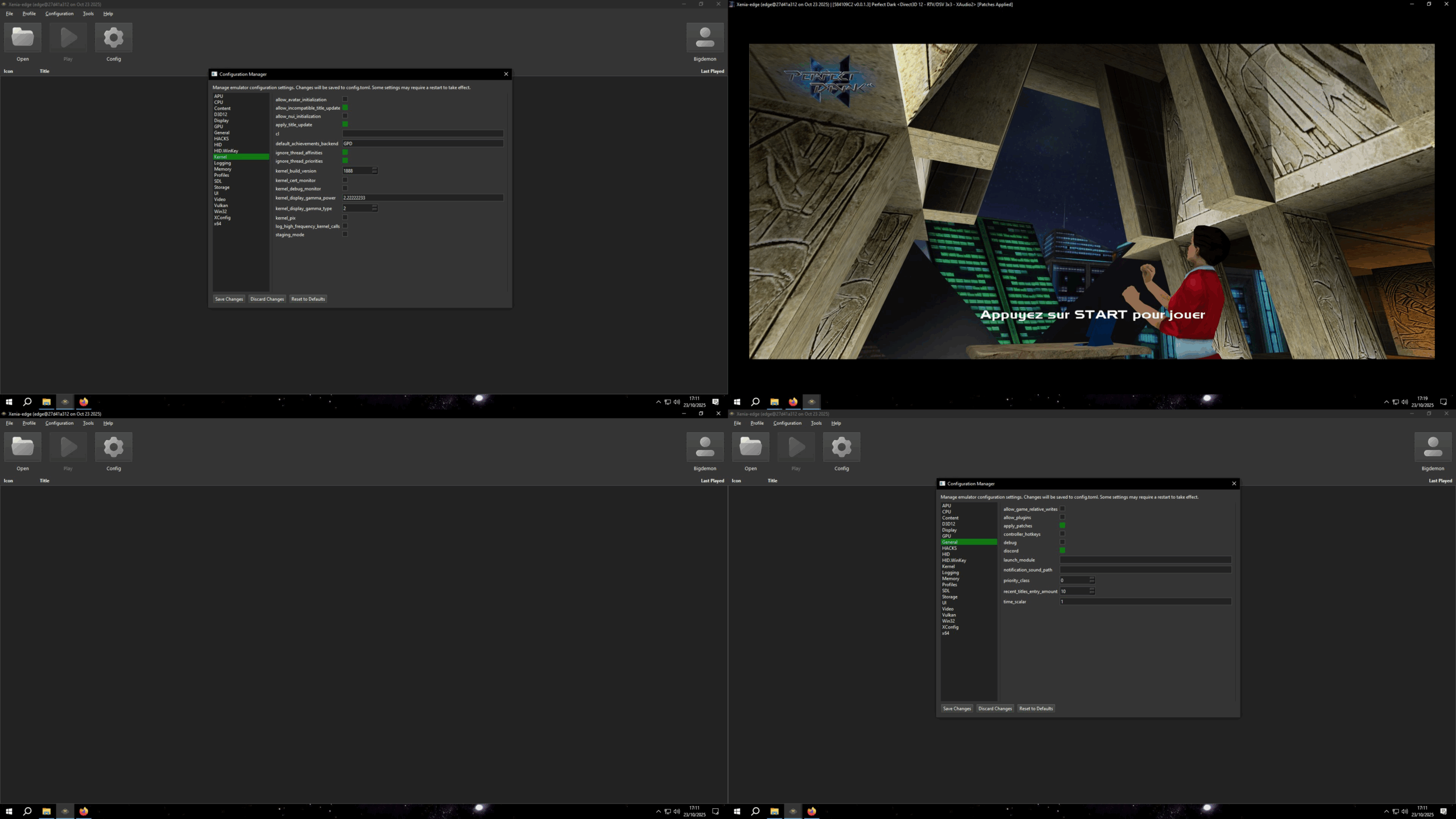
Le projet mame_nes est un fork de MAME spécialement ajusté pour exécuter des jeux Nintendo Entertainment System (NES) avec une configuration simplifiée. Il propose une version allégée du système MAME, centrée uniquement sur l’émulation NES, afin de réduire la complexité habituelle du framework et d’offrir une expérience plus directe pour les utilisateurs qui souhaitent lancer des ROMs NES sans manipuler l’ensemble de l’écosystème MAME.


Ce fork met en avant une compilation minimale, débarrassée des autres systèmes pris en charge par MAME, ce qui permet un exécutable plus léger, plus rapide à compiler et plus simple à intégrer dans des projets tiers. Il inclut également des ajustements spécifiques pour améliorer la compatibilité, stabiliser l’exécution et faciliter l’utilisation dans des environnements où seule l’émulation NES est nécessaire.
 
Le dépôt fournit les fichiers sources, les instructions de compilation et un binaire préconfiguré, permettant de tester rapidement l’émulation NES via MAME sans passer par la configuration complète du projet principal. L’objectif est de proposer une base propre, compacte et adaptée aux développeurs ou passionnés cherchant une version ciblée de MAME dédiée exclusivement au NES.


Télécharger MAME-NES v1.5 (107 Mo)

Site Officiel

En savoir plus…

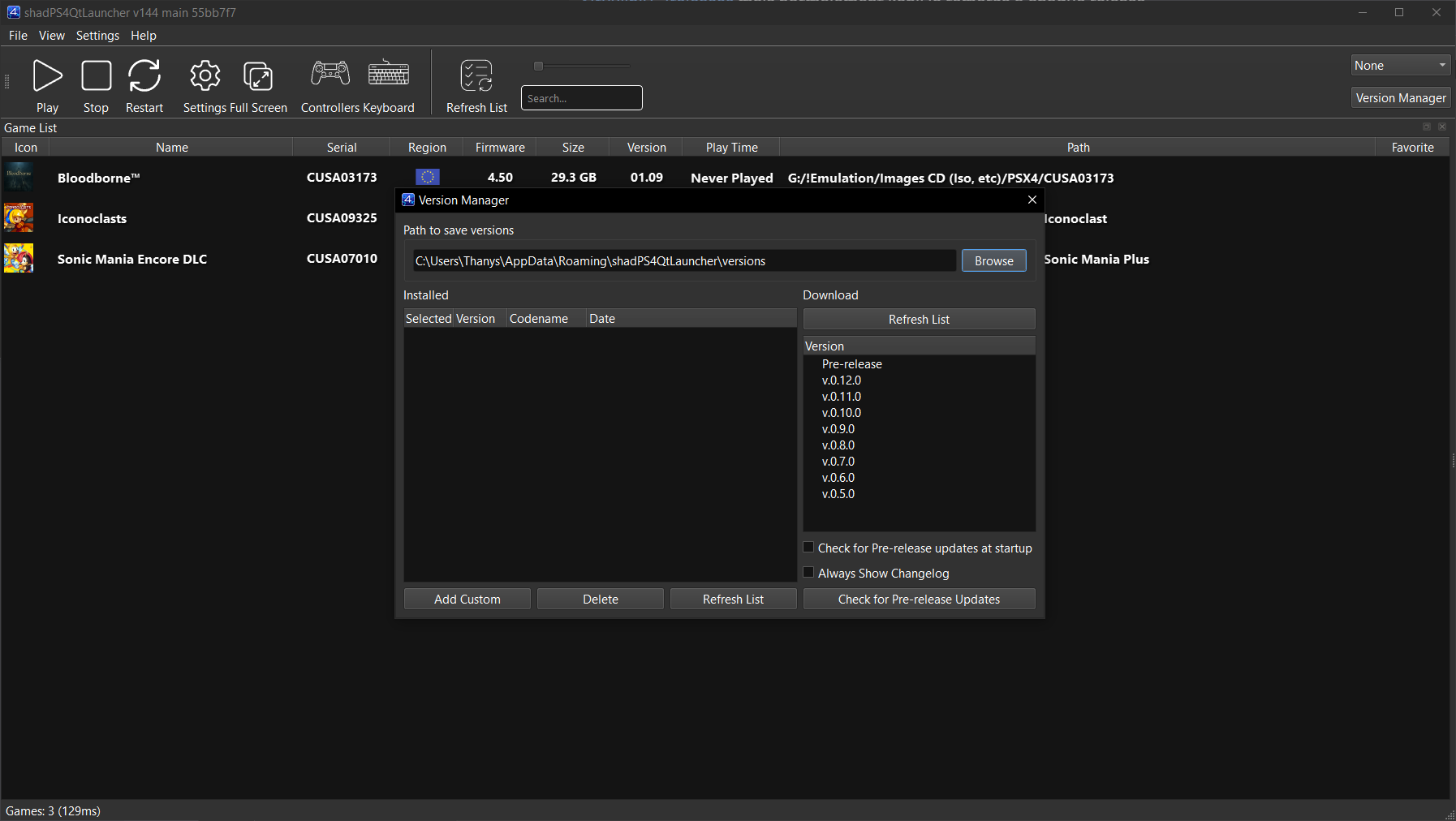
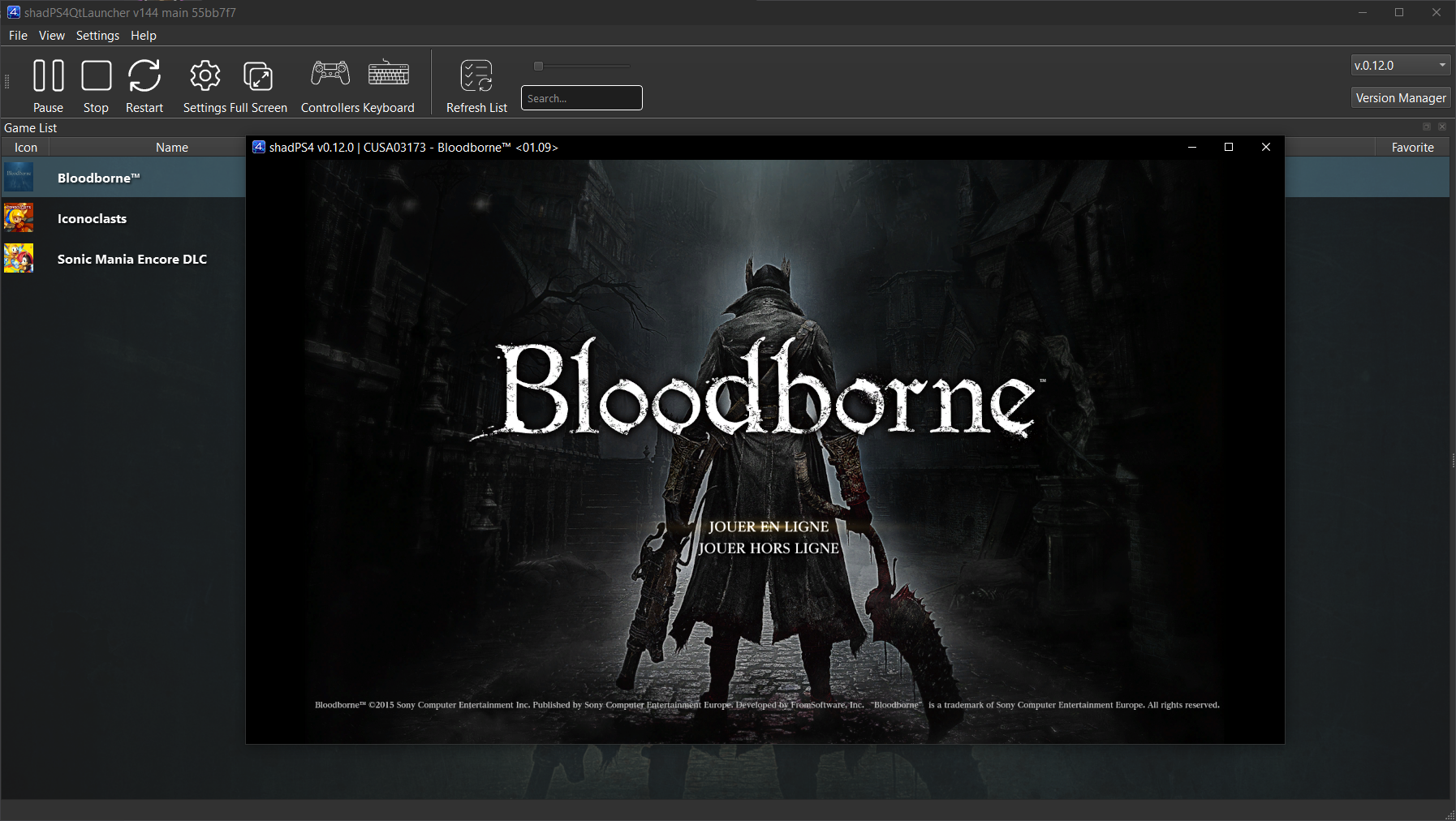
Le projet KytyPS5 est un émulateur PlayStation 5 pour Windows, développé par Nmzik, qui s’appuie sur une version profondément modifiée du Kyty original créé par InoriRus. Il vise à offrir une compatibilité PS5 nettement supérieure à celle du projet initial, en se concentrant sur le démarrage des jeux, la stabilité et la prise en charge progressive des titres commerciaux. L’émulateur est conçu pour fonctionner sans modules LLE externes, ce qui simplifie son utilisation et réduit les dépendances techniques. Le développeur indique que le projet est encore en phase expérimentale, mais déjà capable de lancer certains jeux 2D et plusieurs jeux 3D, avec un objectif clair: améliorer la compatibilité avant de se concentrer sur les performances ou la précision graphique.
 
KytyPS5 fonctionne exclusivement sous Windows et semble optimisé en priorité pour les cartes graphiques NVIDIA, même si d’autres GPU peuvent fonctionner avec des résultats variables. Le projet adopte une approche pragmatique: il cherche d’abord à faire démarrer les jeux, quitte à sacrifier la fidélité visuelle ou la vitesse d’exécution dans les premières versions. Le code est activement développé, avec des mises à jour fréquentes, ce qui en fait l’un des projets PS5 les plus dynamiques actuellement disponibles. Le développeur met en avant une volonté de transparence, en remerciant explicitement InoriRus pour le projet original, tout en assumant une réécriture et une refonte majeure du code.
 
En résumé, KytyPS5 est une continuation non officielle mais assumée du premier Kyty, transformée en un émulateur PS5 moderne, plus ambitieux et plus fonctionnel, qui cherche à devenir une référence dans l’émulation de la console de Sony.


Les changements:
– centralize swizzles
– fix regression
– Implement sparse multi-image page ownership
– Implement vertex swizzle
– Fix Standard64KB 16-bit texture swizzle
– broad depth guards
– Handle stencil storage/depth transitions
– refactor cache/split responsibilities
– Revert « Implement vertex swizzle »
– add pre-commit format hook
– add videoout DCC
– fix depth overlap
– format source files
– Fix AMD RDNA startup crash and rendering corruption
– videoout minor fix
 
Added:
– libUlt abis
– support storage descriptors and tracked image aliases
– improve image cache ownership and compatible views
– pthread: fix lazy pthread objects
– preserve DB_DEPTH_SIZE_XY and add tiled readback
– support 16-bit float video- out
– kernel: preserve placeholders during fixed memory replacement
– Support tiled storage readback
– SigninDialog ABI
– Fix GPU memory protection and depth target invalidation
– Vulkan driver query caching
 
(Temporary build compiled from this fork pending official releases.)


Télécharger KytyPS5 v0.0.7 beta (39.0 Mo)

Site Officiel

En savoir plus…

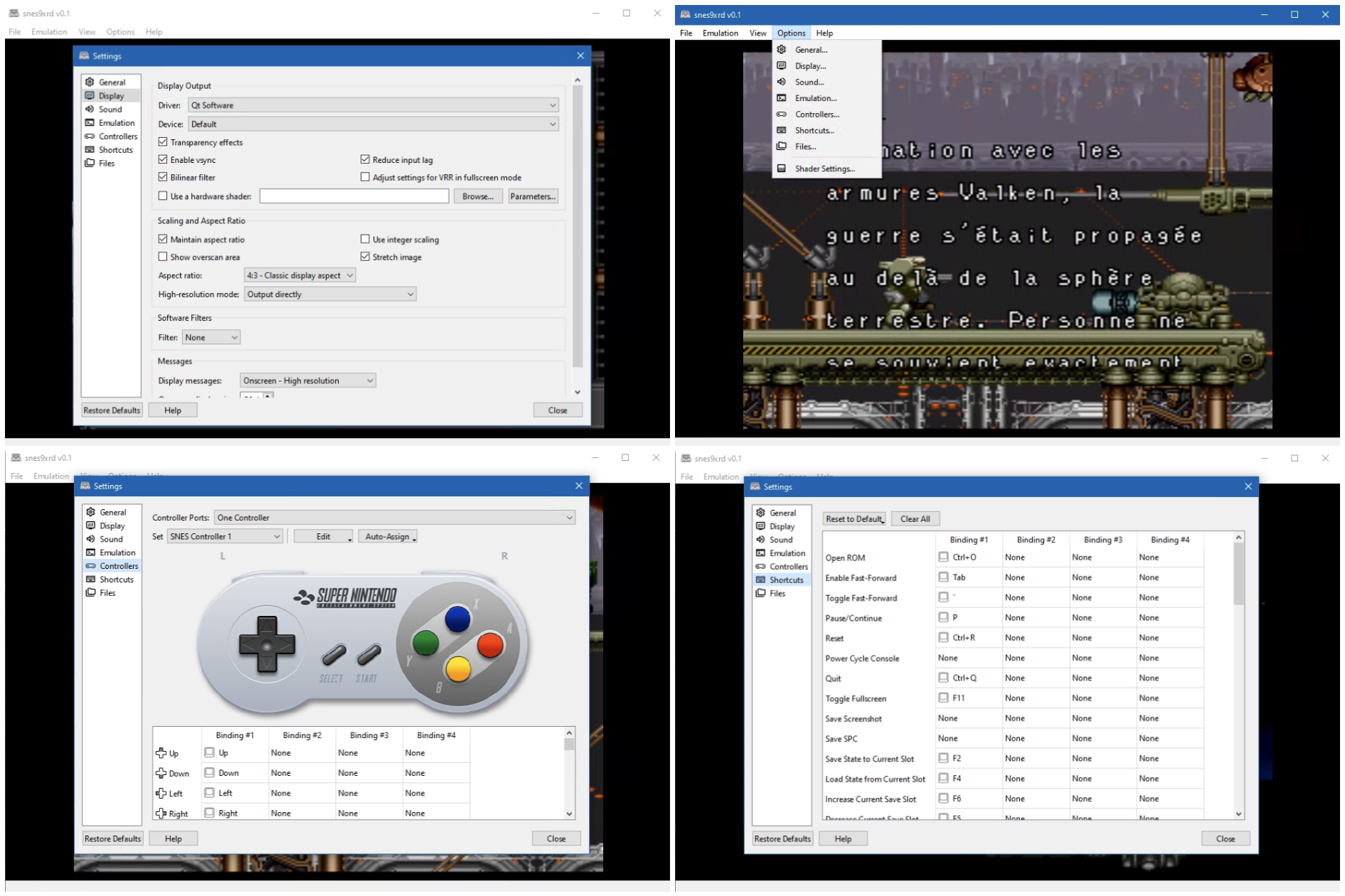
SuperSNES9X est un fork avancé de SNES9X, développé par shanytc, qui ajoute de nombreuses améliorations modernes tout en conservant la rapidité et la simplicité du SNES9X original. Il vise autant les joueurs (retroachievements, online) que les créateurs (sprite ripping, hacking, debugging).


Principales améliorations:
– Support multi-système : GameBoy, GameBoy Color et Super GameBoy intégrés
– RetroAchievements intégrés
– Kaillera (Client/Serveur) pour le jeu en ligne
– Run‑Ahead pour réduire la latence d’entrée
– Correction colorimétrique et filtres CRT‑like
– Viewers S-PPU avancés (Sprites/Tiles) pour rippers et map‑makers
– Cheat Search & Editor améliorés : clic droit, fonctions batch
– Assignation Multi-Bind: mixage clavier + manette sur une même entrée
– Support SDL (Simple DirectMedia Layer)
– Pack multilingue
– Convertisseur de sauvegarde SNES9X <-> MESEN, disponible ici.
 
A noter que les fichiers de configuration et sauvegardes sont 100% compatibles entre SNES9X et SuperSNES9X.
 
Les changements sont:
 
SNES
 
Event Carts Support:
 
PowerFest ’94:
– Event cart support (MX15001 board emulation): boot the Scoring ROM and it assembles the full competition cart from sibling game dumps (Lost Levels, Super Mario Kart, Ken Griffey Jr. MLB) found next to it, zipped or raw
– Added on-screen tournament timer display + configurable time limit in the Hacks dialog (the board’s DIP switches, 3–18 minutes)
– Selecting a missing game reboots the menu and resets the session timer; game ROMs are rescanned on hard reset
– 4 ROMs needed:
– PowerFest 94 – Scoring (USA).zip
– PowerFest 94 – Ken Griffey Jr. Presents Major League Baseball (USA).zip
– PowerFest 94 – Super Mario Kart (USA).zip
– PowerFest 94 – Super Mario Bros. – The Lost Levels (USA).zip
 
Nintendo Campus Challenge ’92:
– Event cart support (SNES-EVENT board, EVENT-CC92): the combined cart image boots and chains menu → Super Mario World → F-Zero → Pilotwings (DSP-1 wired for Pilotwings)
– Added on-screen tournament timer display + configurable time limit in the Hacks dialog (the board’s DIP switches, 3–18 minutes)
– 1 ROM needed:
– Nintendo Campus Challenge 1992 (USA, Europe) (Competition Cart).zip
 
Timing / IRQ
– Latch pending timer IRQ on $4211 read — a tight TIMEUP polling loop can no longer miss an IRQ that already fired mid-instruction (accepted upstream as snes9x PR snes9xgit#1062)
– Revert Circuit USA APU speedup hack to 2 — the 1.59 SMP-clock retune value made the menu palette DMA race the CGRAM-gradient HDMA
 
SuperFX (GSU)
– Cycle-accurate GSU timing: replaced the flat per-scanline instruction budget with a master-clock cycle budget and real per-op costs (cached/uncached fetch, RAM/ROM access, cache-line fill, plot/rpix, multiplies per CFGR MS0). snes9x_overclock_superfx remains a true throughput knob (100 = hardware)
– Fix RPIX clearing DREG too early (upstream, by Wyatt)
 
Game Boy
 
Audio (APU)
– Silence ultrasonic tone channels (CH1/CH2/CH3 parked above the output Nyquist) at the source — the box-filter decimator no longer folds them back into the audible band as fixed high-pitched tones; rate-adaptive (32k/48k, DMG/SGB/CGB)
– Keep digitized voice audible above Nyquist: channels streaming 4-bit PCM through ultrasonic squares now emit the physically-correct DC level (duty-cycle average / wave-RAM mean) instead of a frozen bit
 
Video / PPU
– Cycle-precise VBlank IRQ latch: the IRQ lands on the same instruction boundary as real DMG regardless of CPU/PPU interleave skew (verified byte-identical to SameBoy per-instruction traces)
– SGB: reconstruct DMG BGP raster write timing — mid-scanline palette stores are re-mapped to the dot they were aimed at and the corrected line is re-pushed into the ICD2 capture ring (SameBoy-verified)
 
GTK
– RetroAchievements support — full parity with win32/Qt: login/logout, achievement list, hardcore mode with confirm prompt, unlock toasts and challenge/progress badges via the shared overlay; config keys match win32/Qt so a shared install reuses the same credentials
 
Win32
– Fixed frozen screen when switching renderer Vulkan → Direct3D/DirectDraw (render window is recreated on display reset)
– Render window handle made local to win32_display.cpp; removed the OpenGL↔Vulkan toggle warnings (upstream, by OV2)
 
Internationalization / Translations
– Japanese translation updated (thanks Nekokabu)
 
Game fixed:
– Winter Gold / FX Skiing (SNES, Super FX) — the long-standing garbled-skier bug at race start is fixed: with cycle-accurate GSU timing the pose-cel publish is held one frame from CPU view (matching hardware measured frame-by-frame against a Mesen2 trace), so the game no longer commits a stale arrangement over the new pose tiles (upstream issue snes9xgit#533)
– Traverse: Starlight & Prairie (SNES, Japan) — no longer hangs after the birthday screen: its vsync-wait polls $4211 mid-instruction and now observes the timer IRQ as hardware would (regression since 1.55; upstream issues snes9xgit#540, snes9xgit#614)
– Circuit USA (SNES) — menu no longer blacks out: the 512-byte palette DMA lands in VBlank again instead of racing the CGRAM-gradient HDMA mid-frame (upstream issue snes9xgit#563)
– PowerFest ’94 (SNES) — the historical black-screen hang is gone (the MCU status register now reads 0 at boot) and the full tournament flow works: menu, all three game segments, DIP-switch time limit, score persistence; a standalone Lost Levels dump also plays as a normal game
– Nintendo Campus Challenge ’92 (SNES) — boots and runs the full event chain (Super Mario World → F-Zero → Pilotwings) with its own timer settings
– NFL Football (Europe) (Proto) (SNES) — clean menus and full Mode 7 in-game rendering, no more crashes (was reading open-bus / wrapped save RAM due to the junk cart header), pin the real board config (32 KB battery SRAM + PAL region) — the junk internal header made auto-detection run the game off the rails
– Sumou Fighter (GB) — stray ’07’ tile no longer appears in the background during the title scroll-in (the VBlank ISR fired one instruction late, letting a tile-copy run with the sound ISR’s leftover ROM bank)
– Top Rank Tennis (GB) — the digitized « Play! » and score-call voices are back (they stream PCM through squares parked at freq 0x7FF, which the ultrasonic suppression was gating to silence)
– Pit Fighter (GB) — the ~13–19 kHz whines from CH2/CH3 left running at 0x7FF are now silenced at the source, matching SameBoy’s band-limited output
– Prehistorik Man (SGB) — the black bands on the left/right edges of the scrolling title banner are gone (left band 307px → 6px, right band 449px → ~0, verified headless against SameBoy); the game’s HALT-synced self-modifying BGP write chain now lands on the exact dot it was aimed at


Télécharger SuperSnes9x v1.63.25 (10.1 Mo)

Site Officiel

En savoir plus…

Coffee GB est un émulateur Game Boy Color développé en Java 16 (pour le cœur) et Kotlin (pour l’interface graphique). Conçu comme un projet personnel et un exercice de programmation, il se distingue par une approche technique ambitieuse: l’émulation du CPU est cycle-exacte, chaque instruction étant décomposée en micro-opérations exécutées à la cadence réelle de la console.
 

Malgré son aspect expérimental, Coffee GB offre une compatibilité élevée, validée par les célèbres tests Blargg et Mooneye GB, garantissant un comportement fidèle à la console d’origine. Il prend en charge les cartouches avec les contrôleurs mémoire MBC1 à MBC5, ainsi que les sauvegardes sur batterie, permettant de conserver les données de jeu comme sur une vraie Game Boy.
 

L’émulateur lit également les ROMs compressées (.zip), propose une configuration des touches via un fichier .properties, et intègre une fonctionnalité de netplay avec rollback (encore expérimentale) pour jouer en ligne avec synchronisation des états.
 

Pour les développeurs ou curieux techniques, le projet inclut des tests automatisés via Maven, et le code source est disponible sous licence MIT, librement modifiable et réutilisable.


Télécharger Coffee GB v1.7.6 (130 Mo)

Site Officiel

En savoir plus…

Un émulateur de Luxor 80 en développement.


Les changements:
 
– full and cycle exact Z80 CPU core with NMI interrupt
– partial SN76477 analogue sound chip emulation
– full keyboard uController emulation
– preliminary disk drive support
– write support for tape WAV format
– direct load support for BAC/BAS files
– direct load support for ATP (ABC80 byte-level Tape Format)
– copy/paste to/from clipboard
– tape sound


Télécharger WinLux80 v1.0 (141 Ko)

Site Officiel

En savoir plus…

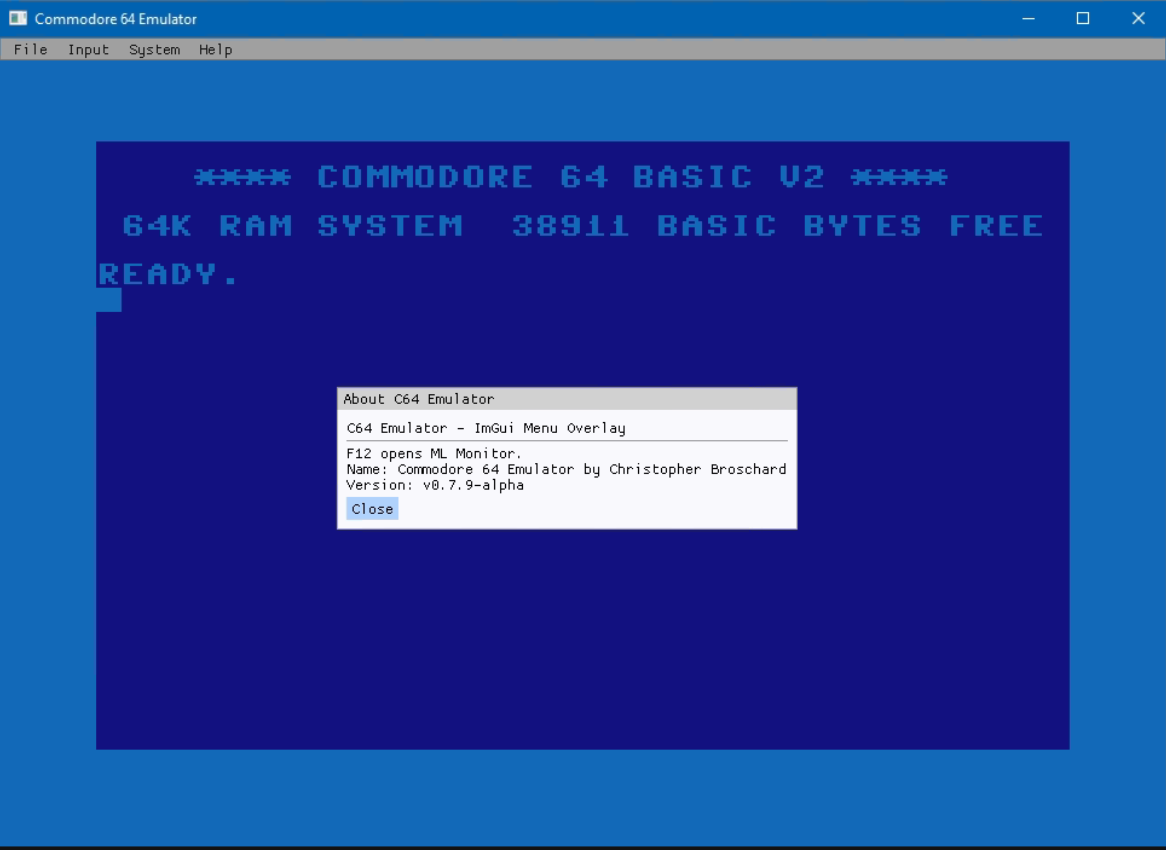
Il s’agit d’un émulateur de C64 en développement.


Télécharger C64emu (2026/07/17) (3.2 Mo)

Site Officiel

En savoir plus…

Il s’agit de la dernière version officielle dite « instable » de Snes9x ajoutant les dernières nouveautés, améliorations et/ou corrections en provenance des sources GIT. Versions 32 et 64 bits dans l’archive.
 

Une petite partie de Starfox 2 (SNES Mini Edition) ?


…ou peut-être un Secret of Mana Français iOS Edition ?


Laissez tomber, je vais me faire la suite non officielle de Chrono Trigger plutôt :p


Les changements depuis le dernier build:
 
– fix(superfx): cycle-accurate GSU timing; fix Winter Gold skier garble (#533)
– Misc fixes


Télécharger Snes9x TestBuild v1.63.1598 (7.9 Mo)

Site Officiel

En savoir plus…

YAPE (Yet Another Plus/4 Emulator) est un excellent émulateur Commodore C16/plus4 tournant sous Windows XP à 11. Version compatible 32 et 64 bits.


– [NEW] support for the SoundX board with Yamaha Adlib YM3812 (OPL2/OPL3) via dedicated external DLL HERE
– [NEW] improved Find dialog in the LST source window
– [NEW] added the CA65 format to the supported assembly listings (LST)
– [FIX] improved SID card emulation (hard sync, test bit, ADSR delay, envelope counter underflow)
– [FIX] debug step during IRQ in the monitor
– [FIX] regression bug regarding aligned writes on some machines
– [FIX] zero sized MP4 recording (for oddly sized windows)
– [FIX] some .LST formats were broken
– [FIX] removed obsolete file associations dialog


Télécharger Yape v1.4.0 (1.1 Mo)

Site Officiel

En savoir plus…

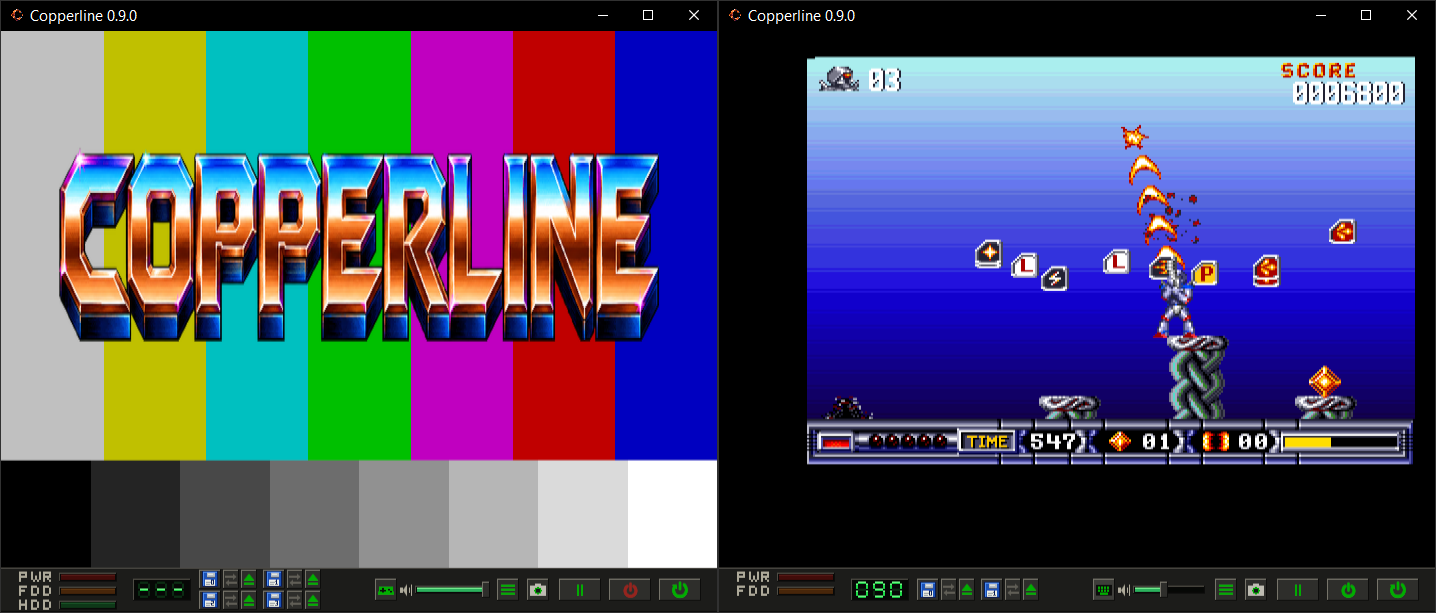
Copperline est un émulateur Amiga écrit entièrement en Rust. Il vise à reproduire fidèlement le fonctionnement du matériel d’origine, avec une émulation précise jusqu’au niveau des cycles d’horloge (cycle-accurate). Son architecture modulaire facilite le développement et permet d’émuler les principaux composants de la machine, comme le CPU, le Copper, le Blitter, Paula et les CIA.


Télécharger Copperline v0.12.0 (8.6 Mo)

Site Officiel

En savoir plus…

L’objectif de ce projet est d’être un émulateur Nintendo DS rapide et portable.


Télécharger NooDS (32 bits) (2020/06/14) (2.5 Mo)

Télécharger NooDS (64 bits) (2026/07/18) (3.5 Mo)

Site Officiel

En savoir plus…

Il s’agit d’un émulateur d’Apple II+ et //e, écrit en Go.


Télécharger izapple2 v2.3 (4.9 Mo)

Site Officiel

En savoir plus…

GearLynx est un émulateur d’Atari Lynx pour Windows.


Les changements sont:
🧠 Improved MCP tool discoverability and usability for agents
🖥️ Configurable screen saver behavior
🐛 Many bug fixes and improvements


Télécharger GearLynx v1.2.19 (2.7 Mo)

Site Officiel

En savoir plus…


Casino-en-ligne-fiable.com

https://getourbonus.com/fr/accueil

https://www.romspedia.com/

https://www.casinoonlinefrancais.fr

Lucky 7 bonus

https://www.casinogratuitsansdepot.com

pablocasino.org

critiquejeu.info

playbonus

casinodoc.org

laplanquedujoueur.com

casinoonlinefrancais